* All product/brand names, logos, and trademarks are property of their respective owners.
In today’s fast-changing world, the way we learn has evolved just as rapidly as the technology around us. Gone are the days when attending a physical classroom was the only way to earn a degree. Now, you can sit at your kitchen table with a laptop and gain the same qualifications that once required daily campus visits. But with this growing accessibility comes a big question: Which path is better—online learning or traditional degrees?
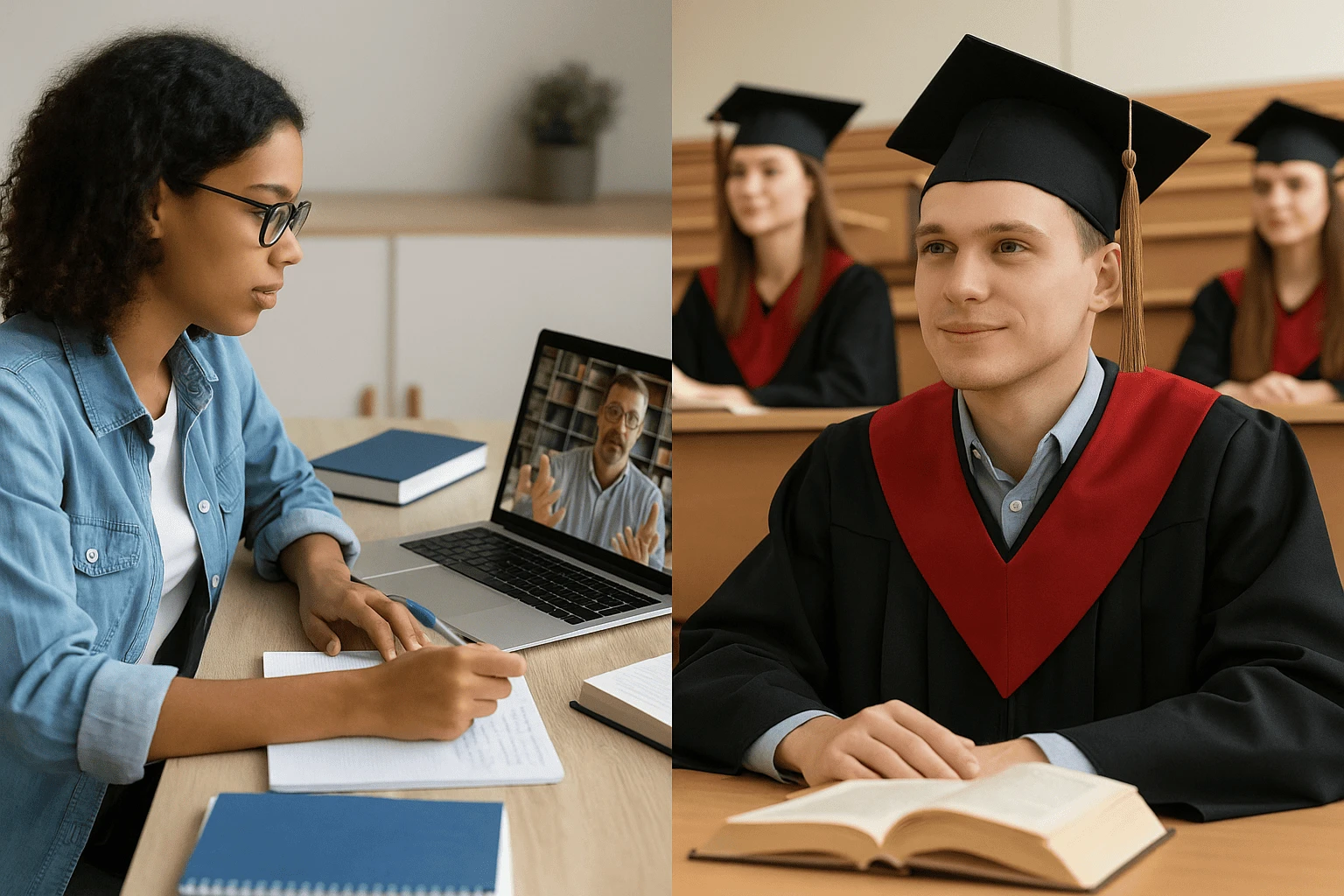
For many students and professionals alike, choosing between an online program and a traditional on-campus degree isn’t just about convenience—it’s about aligning your education with your lifestyle, goals, and even your budget. Online education has opened doors for working individuals, stay-at-home parents, and students living in remote areas. On the other hand, traditional degrees still hold weight for those seeking face-to-face interaction, structured learning environments, and a classic campus experience.
This guide breaks down both learning paths so you can make an informed decision that suits your needs. We’ll explore how they differ in terms of flexibility, costs, support, career impact, and even how each model is perceived by employers. You’ll also find practical insights specific to Pakistan’s growing digital education space.
Whether you're a fresh high school graduate, a working professional looking to upskill, or someone returning to education after a break, this blog is your roadmap. Let’s explore the pros, cons, and everything in between to help you confidently choose the path that’s right for you.
One of the biggest reasons students choose online learning is the flexibility it offers. You can study at your own pace, whether that means watching recorded lectures at midnight or completing assignments around your work schedule. For people juggling jobs, families, or other commitments, online programs are a game changer. There are no physical classrooms to attend, no rigid timetables, and no long commutes.
In contrast, traditional education is built around fixed schedules. Students attend classes at set times and locations, often requiring full-time availability. While this can help maintain discipline and routine, it leaves little room for people who need to manage other responsibilities alongside their studies.
That said, structured schedules can benefit those who thrive on face-to-face interaction, hands-on activities, and a routine that keeps them accountable. It really comes down to personal preference and your ability to self-motivate.
Online education often comes with a lower price tag. Without the need for physical campuses, housing, or transportation, many online programs significantly reduce expenses. Course materials are usually digital, which eliminates the need for costly textbooks. Additionally, students save time and money by avoiding relocation or daily commuting.
On the flip side, traditional degrees can be expensive—not just in tuition fees, but also in accommodation, travel, and other living costs. However, many students feel the in-person experience justifies the price, especially when it includes campus facilities, extracurricular activities, and direct access to instructors.
Another key factor is accessibility. Online programs break down geographical barriers, allowing students from small towns or rural areas in Pakistan—and around the world—to access top-tier education. Meanwhile, traditional programs may be limited by location and admission capacity.
One of the main differences between online and traditional education lies in the level of human interaction. In a traditional classroom, students interact face-to-face with teachers and peers. This environment encourages spontaneous questions, group discussions, and informal networking—whether it’s a quick chat before class or bonding over group projects.
On the other hand, online learning depends heavily on digital tools like forums, chat rooms, and video calls. While this setup provides some degree of interaction, it's often more structured and less personal. Students may feel isolated or disconnected, especially if they’re not naturally comfortable with virtual communication.
However, modern online platforms are improving. Some offer breakout rooms, real-time Q&A sessions, and collaborative tools that simulate classroom dynamics. Still, the experience isn’t quite the same as walking into a lively lecture hall or meeting classmates at the campus café.
Access to support can make or break a student’s experience. In traditional settings, support is easy to find—you can walk into your professor’s office, attend extra help sessions, or meet a tutor on campus. These real-time interactions often help students feel guided and supported throughout their journey.
Online education has worked to replicate this, offering virtual office hours, email support, and access to online libraries or resource hubs. But the support can feel less immediate. Responses might take longer, and mentorship may rely heavily on written communication rather than live conversation.
That said, many online programs now assign academic advisors, offer live tutoring sessions, and provide round-the-clock technical support. As digital platforms evolve, the quality of academic support continues to improve.
Still, students who value hands-on guidance and personal mentorship might lean toward traditional classrooms, while self-directed learners may find online resources sufficient.
A major concern for many students is how potential employers view online degrees compared to traditional ones. The good news? Perceptions are changing. Many employers today recognize accredited online programs as legitimate and valuable—especially when offered by reputable institutions. As remote work grows more common, so does the acceptance of remote education.
That said, in some industries—particularly those with hands-on training like healthcare, engineering, or lab-based sciences—traditional degrees are still more favorably viewed. Recruiters in these fields may prioritize candidates with in-person learning experience, especially for entry-level roles that require practical skills.
On the flip side, fields like IT, marketing, business administration, and design are far more open to online education, as the focus tends to be on demonstrable skills rather than classroom attendance.
The key is accreditation and credibility. Whether online or offline, degrees from recognized institutions carry weight. A poorly reviewed or unaccredited online program can hurt more than help—so always do your homework before enrolling.
Soft skills—like communication, teamwork, time management, and critical thinking—play a big role in hiring decisions. Traditional classrooms naturally foster these through group projects, classroom discussions, and extracurricular activities.
Online learning, however, requires students to develop a different but equally valuable set of skills: digital literacy, independent problem-solving, time management, and self-motivation. These are highly sought-after in today’s remote and tech-driven workplaces.
The challenge for online learners is collaboration. While tools like Zoom, Google Docs, and Slack help bridge the gap, virtual teamwork isn’t always as smooth or organic as face-to-face collaboration. Employers may worry that online grads haven’t had as much exposure to real-time group dynamics.
However, students who proactively seek internships, freelancing gigs, or participate in online communities can still build those collaborative skills—and stand out to hiring managers.
When deciding between online learning and a traditional degree, your personal circumstances play a huge role. If you’re juggling a full-time job, family responsibilities, or simply prefer learning at your own pace, online education could be your perfect match. It offers flexibility and control over your study time—great for people who are self-driven and comfortable learning independently.
On the other hand, if you thrive in a structured environment with face-to-face interaction and a clear routine, traditional education might suit you better. It’s ideal for students who learn best through direct engagement, enjoy group discussions, and benefit from real-time feedback.
Another important factor is your learning style. Online learners need strong self-discipline and time management skills. If procrastination is a challenge for you, an in-person setup might help keep you on track. But if you're tech-savvy and comfortable navigating digital platforms, online learning can be both efficient and empowering.
Pakistan’s education landscape has changed significantly over the past decade. With the rise of digital platforms and increased internet access, online learning is becoming a popular alternative—especially in urban areas. Universities like Virtual University of Pakistan, Allama Iqbal Open University, and even private institutions now offer full-degree programs online.
That said, challenges still exist. In many parts of the country, stable internet access is limited. Not all employers view online degrees with the same level of trust as traditional ones, especially in government or public sector jobs. However, perceptions are shifting as global companies enter the market and remote work becomes more accepted.
Affordability is another key factor. Online programs often cost less, making them a more viable option for students from lower-income backgrounds. Scholarships and government initiatives are also beginning to support e-learning, making it more accessible for a broader audience.
As Pakistan continues to modernize its education system, students have more choices than ever before. The important thing is to assess your goals, environment, and long-term plans before making your decision.
Choosing between online learning and a traditional degree isn’t a simple black-and-white decision. It’s a deeply personal choice—one that depends on your goals, circumstances, learning preferences, and even where you live. Both options offer powerful benefits. Online education brings flexibility, affordability, and accessibility to the table, making it a fantastic choice for those who need to study around a busy schedule or from remote locations. Traditional education, on the other hand, provides structure, face-to-face interaction, and a full campus experience that many students value deeply.
As we’ve explored, each path comes with its own strengths and challenges. Online learners gain digital skills and independence, while traditional students benefit from real-time support and collaboration. Your ideal path depends on what matters most to you—whether it's balancing work and study, immersing yourself in classroom dynamics, or saving on costs.
In the context of Pakistan, the rise of online degrees is opening doors for students across the country. Yet, it’s essential to consider factors like internet accessibility, employer expectations, and program accreditation before making your choice.
Here’s a simple piece of advice: think long-term. Ask yourself—where do I want to be in the next few years? What kind of learning environment will help me grow and stay motivated? Whether you choose to study in a physical classroom or from the comfort of your home, the most important thing is that you keep learning, stay curious, and choose a path that works for you.
So take a moment. Reflect on your goals, strengths, and lifestyle. Then move forward with confidence—knowing that whichever path you choose, it’s a step toward building the future you want.

Waqar Azeem is a digital marketing and web development specialist who bridges the gap between marketing and engineering. On the marketing side, he works extensively with Google Ads, Google Merchant Center, and Google Analytics — managing campaigns, product feeds, and conversion tracking to help businesses grow their online visibility and sales. On the development side, he builds and maintains web applications using Yii2 and Next.js, giving him a rare ability to handle both the technical infrastructure and the marketing performance of a website. This combined skill set lets him approach projects holistically, ensuring that what gets built is also built to perform.
Some students spend hours studying but still struggle to remember what they learned. Others seem to
11 April 2026
Changing your career can feel like standing at the edge of a cliff — exciting, but terrifying.
23 August 2025
There was a time when tech careers were almost entirely associated with coding, algorithms, and back
23 August 2025
Be the first to share your thoughts
No comments yet. Be the first to comment!
Share your thoughts and join the discussion below.